Blog · Guides ·
How to find your old car's Swedish registration number and history at Riksarkivet
The Swedish National Archives hold the registration cards for cars from before 1973, but you need the old county number to order them. With the chassis number and my free search of the Wincars register, you can find it for cars from northern Sweden.
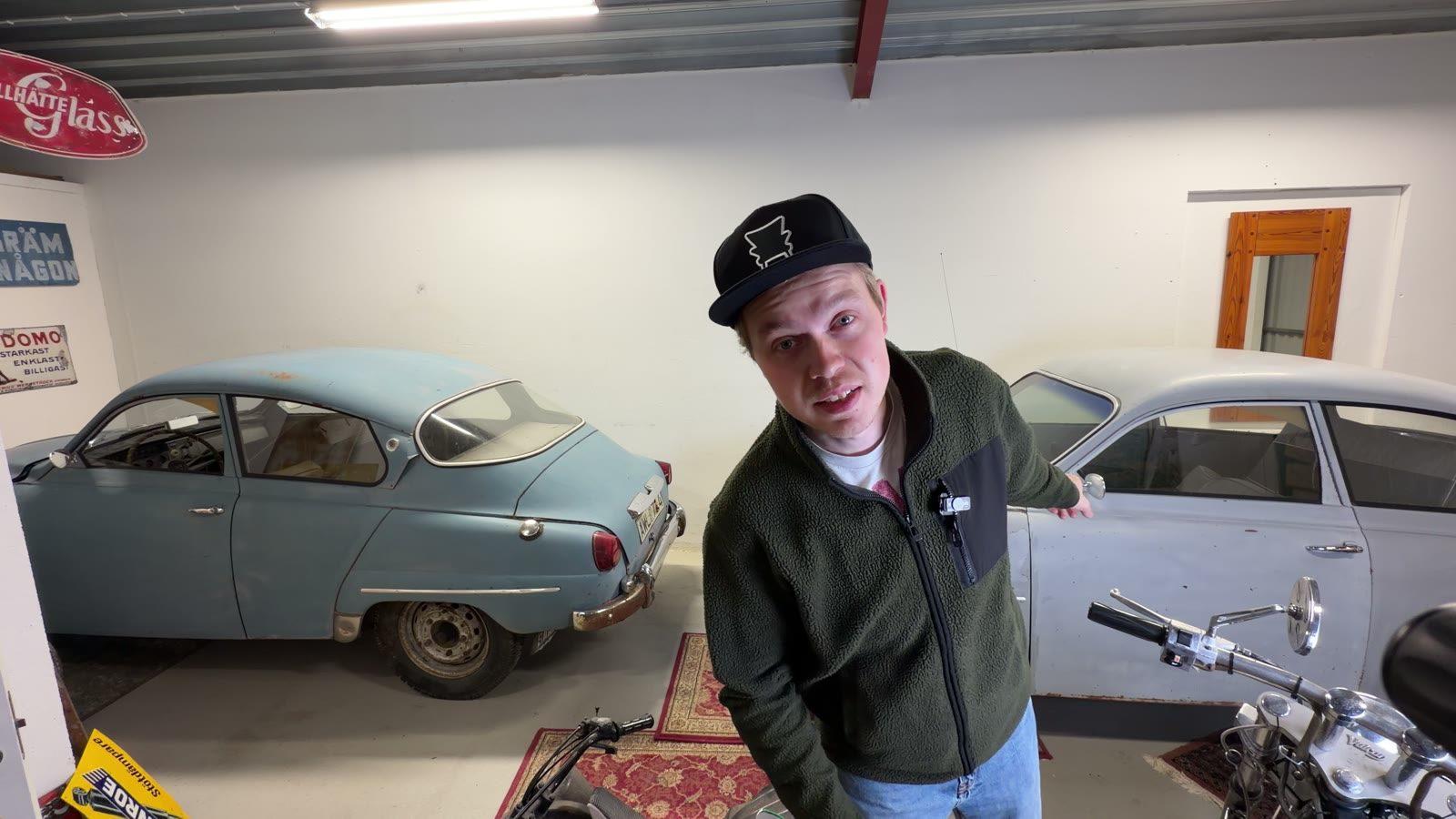
I wanted to know more about my two 1962 Saab 96 two-strokes. Who bought them new, where have they been and how many owners have they had? All of that is on the cars’ old registration cards, which are still kept by Riksarkivet, the Swedish National Archives.
The problem is that you can’t order the cards with today’s registration number. So I built a search that takes you from the chassis number to the old number: Find your car’s old registration number here.
Today’s number doesn’t lead back
Before 1973, Swedish cars had registration numbers that started with county letters. A car in Norrbotten could be BD61907, a car in Östergötland E77791. If the car moved county, it got a new number.
When the national vehicle register arrived in 1973, every vehicle got a number of the ABC 123 type. The registration cards from before that are still at Riksarkivet, filed by the old county numbers, and that’s the number Riksarkivet asks for when you order.
Most people who own an old car today only know two things: the number on the plate and the chassis number. That isn’t enough to order.
Wincars: 1.47 million registrations from northern Sweden
Riksarkivet has published a register called Wincars as open data. It holds about 1.47 million registrations from the counties of Norrbotten, Västerbotten, Västernorrland, Jämtland and Gävleborg between 1916 and 1972: cars, motorcycles, lorries, buses, tractors and trailers. Owner names have been removed, but the chassis number is there for the vast majority of vehicles.
That’s the link missing from Riksarkivet’s own service. My search goes through the whole register and looks up the chassis number, so you get the old registration number and exactly where the card is kept in the archive.
How to do it
- Find the chassis number. The easiest place is the Swedish registration certificate, where it’s listed as the identification number. On a Saab 96 it’s on the left side of the inner panel under the bonnet.
- Search at kopmanvesterlund.com/en/vehicle-history. Choose chassis number, type the number and press Search. Capitals, spaces and hyphens don’t matter.
- Copy the line under the match. It has the old registration number, make, model year and the archive reference.
- Order from Riksarkivet. The link is under the match. The form is in Swedish. Copies cost SEK 5 per page for the first ten pages and SEK 2 per page after that, plus postage.
- Wait. Riksarkivet posts the copies, normally within 3–4 weeks.
If the car moved county several times, you get one row per registration, by date. Click a previous or later number to follow the car.
My two Saabs
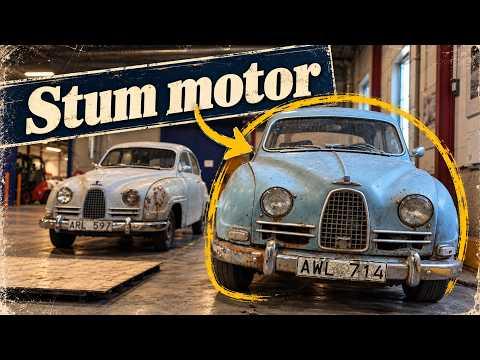
The grey ARL 597 has chassis number 156636. The search returns BD61907, registered in Norrbotten on 17 June 1963 with Kiruna as its home town. Previous number: E77791, which means Östergötland. That matches what I knew: the car was bought new in Östergötland in 1962 and moved north the year after.
The blue AWL 714 has chassis number 152891. It returns BD56384, registered on 28 May 1962 with Piteå as its home town. A Norrbotten car from the start.
Both cards are held by Riksarkivet in Härnösand, series C I AA, volumes 61 and 55. With those numbers I can order the registration cards and see every owner over the years.
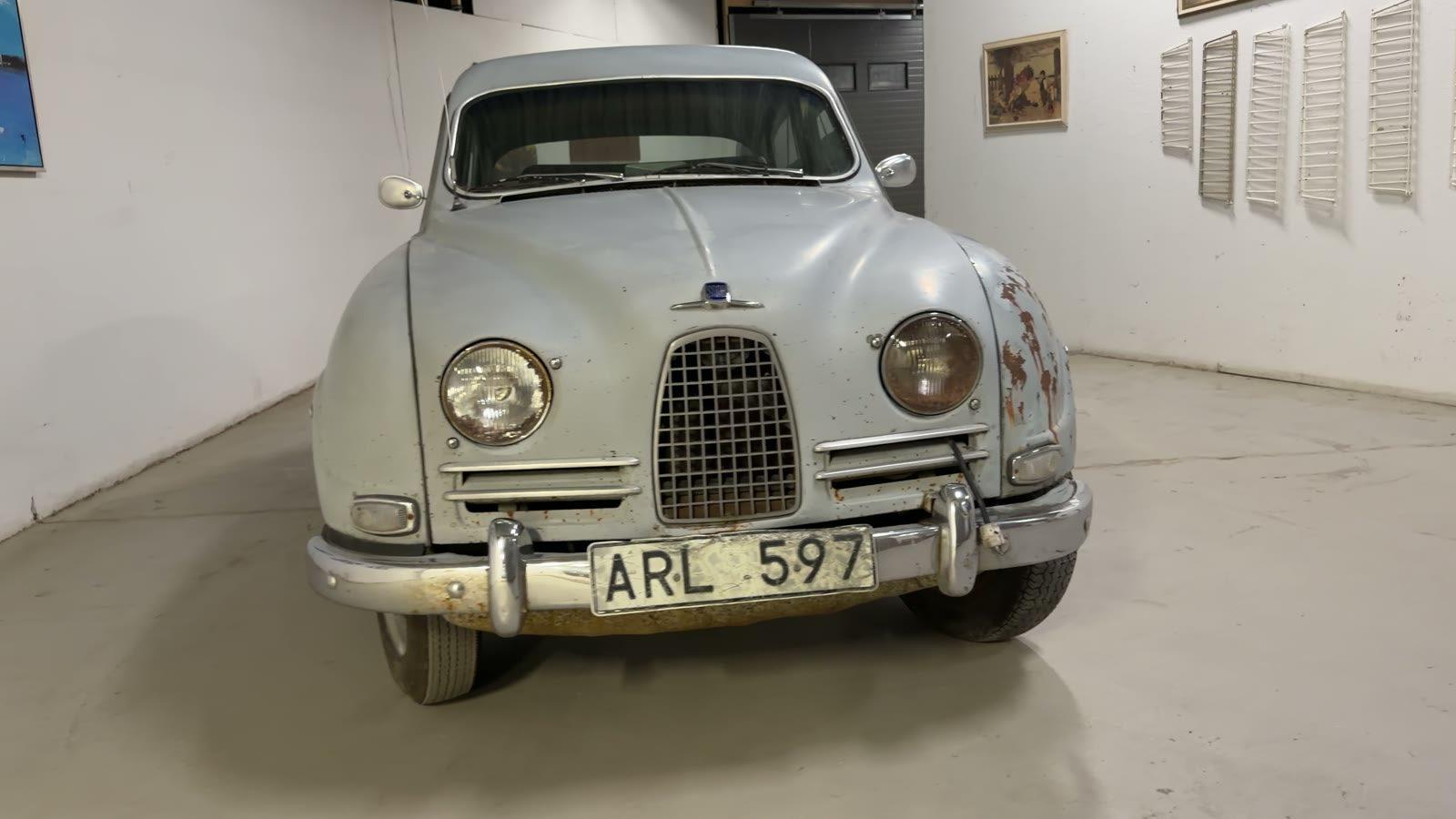
ARL 597 was BD61907 in Norrbotten and E77791 before that.
Good to know
- Northern counties only. Wincars covers the five northernmost counties. If the car is from another county and you have the old number, order directly from Riksarkivet.
- 1973–1994: those records are ordered from Riksarkivet with the current number. After 1994 they’re held by the Swedish Transport Agency (Transportstyrelsen).
- Gaps and errors. The register was typed in from handwritten cards. If you find nothing, try just the last digits of the chassis number or search by an old registration number instead.
- No searches are stored. The data is open (CC0) and the search sets no cookies of its own.
What the letters in the old numbers mean, where to find the chassis number and more questions and answers are on the search page.
Found something fun about your own car? Tell me in the comments on YouTube or tag me on Instagram.
Frequently asked questions
How do I find the old Swedish registration number of my car?
Search for the car's chassis number at kopmanvesterlund.com/en/vehicle-history. If it was registered in one of the five northern counties between 1916 and 1972, you get the old county number and where Riksarkivet keeps the registration card. The chassis number is listed as the identification number on the Swedish registration certificate.
Why can't I order with the current registration number?
For cars registered before 1973, the registration cards are filed by the old county numbers, and Riksarkivet's order form needs that number. The current ABC 123 numbers only came with the national vehicle register in 1973.
What does it cost to order the registration card?
SEK 5 per A4 page for pages 1–10 and SEK 2 per page after that, plus postage. A certified copy costs SEK 50. Orders normally take 3–4 weeks.
My car isn't from northern Sweden. Can I still find its history?
Yes, if you have the old registration number you can order directly from Riksarkivet. This search only covers the northern counties, because those are the ones Riksarkivet has published as searchable open data.